Hairstyle ideas
Paranda Hair Style Ideas for Suits, Mehndi and Weddings
Paranda hair style ideas for suits, mehndi and weddings: 10 parandi plaits with front styles, tying steps, time, pins and fixes for short or thin hair.

A paranda hair style is a long plait with a tasselled thread woven through it, and it is the quickest way to turn a plain choti into something festive. The paranda comes from Punjab, where it is worn with salwar suits and phulkari dupattas, at weddings, Lohri and Baisakhi. Because the thread carries on past the end of your hair, even shoulder length hair can end in tassels near the waist.
Below are ten parandi hairstyle ideas. Each card tells you the hair it suits, the minutes it takes and what to keep ready. After the gallery you will find the tying steps, a table of paranda types, and fixes for frizz, slipping and short hair.
For more plaits see the full braid hairstyle collection, and for clips, cuffs and threads read our hair braid accessories guide.
01
Classic Paranda Hair Style on a Simple Choti
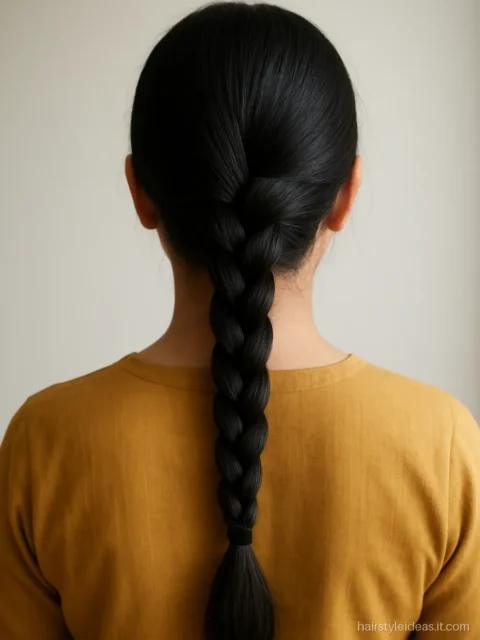
These are everyday looks: one parting, one plait, one paranda. Once your hands know the rhythm, each takes under fifteen minutes.

A plain black paranda blends into dark hair, so the plait simply looks longer and thicker. Right for college, office and family lunches with a cotton suit.
- SuitsShoulder length and longer
- Time10 minutes
- NeedsParanda, 1 clear elastic
Mirror tipTie the paranda loop under the elastic at the nape, not over it, so the knot hides inside the plait.

A red paranda with gold thread and tiny mirrors lifts a plain suit for Lohri or a mehndi. The side parting also softens a round face.
- SuitsMid back, thick hair
- Time12 minutes
- NeedsParanda, 2 bobby pins
Mirror tipPin short front layers behind the ear with two crossed bobby pins first, so they stay out of the plait.

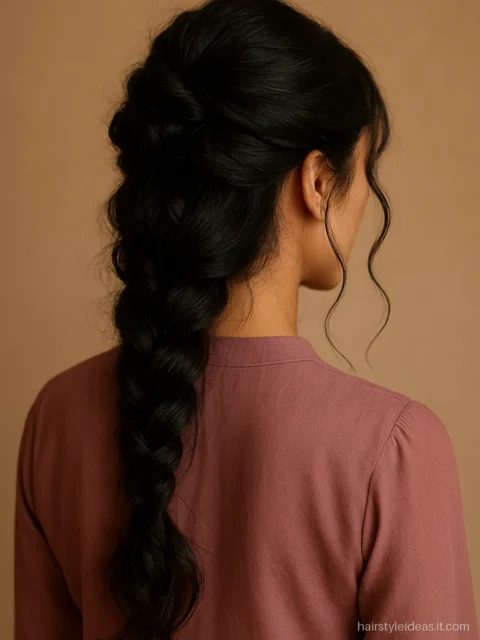
Gently pulling the loops wider makes a fine plait look almost twice as full, and a cotton paranda is light enough to wear from morning to night.
- SuitsThin or fine, any length
- Time15 minutes
- NeedsCotton paranda, elastic
Mirror tipPancake from the bottom loop upward and hold the end firmly while you pull, or the plait drifts sideways.
How to Tie a Paranda Hair Style Step by Step
A paranda has a loop or three cords at the top and tassels at the bottom. You plait it in as if it were a part of your own hair.
- Brush out every tangle. Smooth a pea sized drop of leave in cream over the lengths so flyaways lie down.
- Part the hair, comb everything back and gather it just above the nape in a cloth elastic. Skip the elastic for a softer, looser start.
- Slide the paranda loop under the elastic, or knot its top cords around the ponytail base, so the thread sits in the centre.
- Divide the hair into three equal sections and lay one paranda cord on each.
- Plait right over middle, then left over middle, holding each cord flat against its hair so it does not twist.
- When your hair runs out, keep plaiting with the cords alone until only the tassels hang free.
- Close with a clear elastic where the hair ends, or wind the spare cord twice around the plait and knot it.
A tight plait looks neat and holds for a full day. A pancaked plait, with the loops gently pulled wider, looks fuller but loosens by evening, so lock it with two bobby pins crossed near the nape. For plaits started at the forehead, see front braid hairstyles.
02
Front Hairstyle With Paranda
A little work at the front makes a paranda look planned rather than plain. Keep the front styling above the ears so the plait still starts cleanly at the nape.

Two rope twists from the temples meet behind the crown and flow into the plait. They keep short front hair off the forehead during giddha.
- SuitsMid back, medium texture
- Time18 minutes
- NeedsParanda, 4 bobby pins
Mirror tipTwist each side away from the forehead and pin both twists together before you tie the base elastic.

A soft puff at the crown adds height that flatters round and square faces, while a maroon paranda picks up the colour of a wedding suit.
- SuitsShoulder length or longer
- Time15 minutes
- NeedsParanda, tail comb, 3 pins
Mirror tipTease just the hidden underside of the puff, and glide the tail comb lightly across the surface hair.
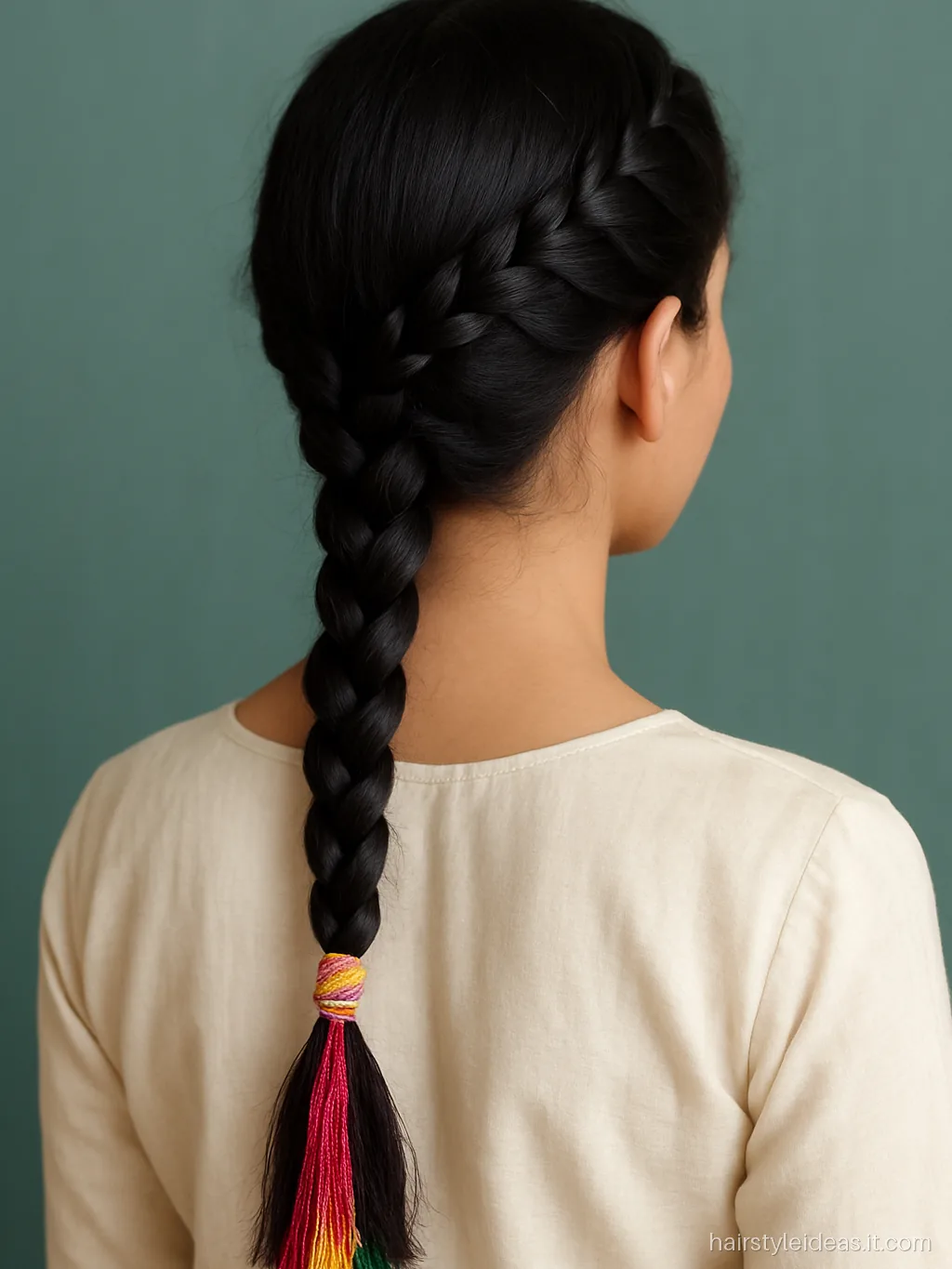
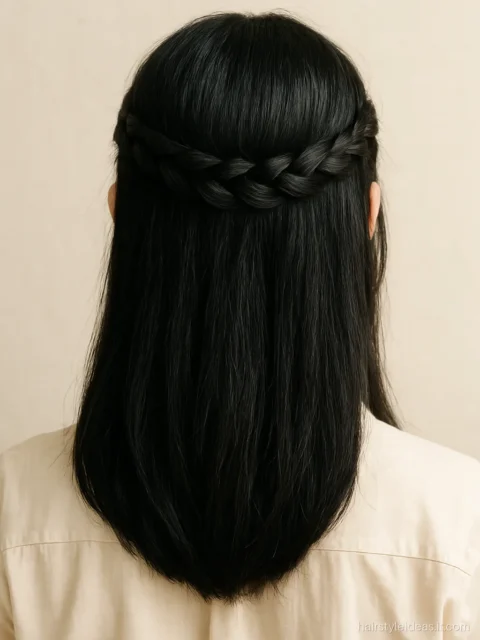
A thin plaited band behind the hairline works like a headband and hides an uneven parting. The pranda then carries the colour down the back.
- SuitsMid back, straight or wavy
- Time20 minutes
- NeedsParanda, 2 small elastics
Mirror tipStart the band just behind one ear and keep it about a finger wide; thick bands look heavy.
03
Parandi Hairstyle for Weddings, Mehndi and Festivals
For functions, choose a paranda with more shine or more colour, and plan the plait around the neckline and dupatta you will wear.
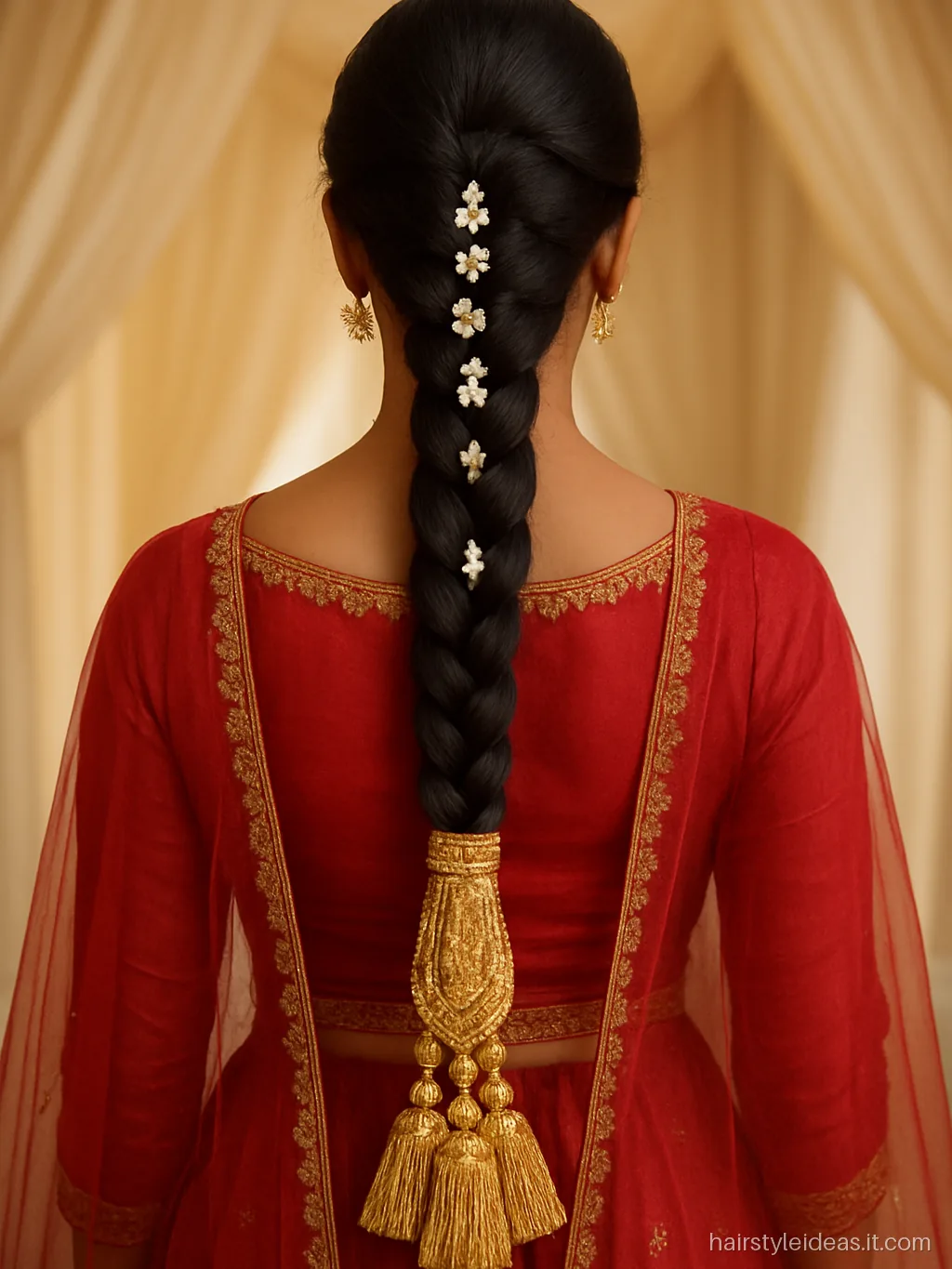
For a Punjabi bride or her sisters, a heavy gota paranda with fresh jasmine along the plait looks festive even from across the courtyard.
- SuitsWaist length or extensions
- Time30 minutes
- NeedsParanda, veni, 8 U pins
Mirror tipPin the jasmine string with U pins through the thread, and leave every second plait loop uncovered.
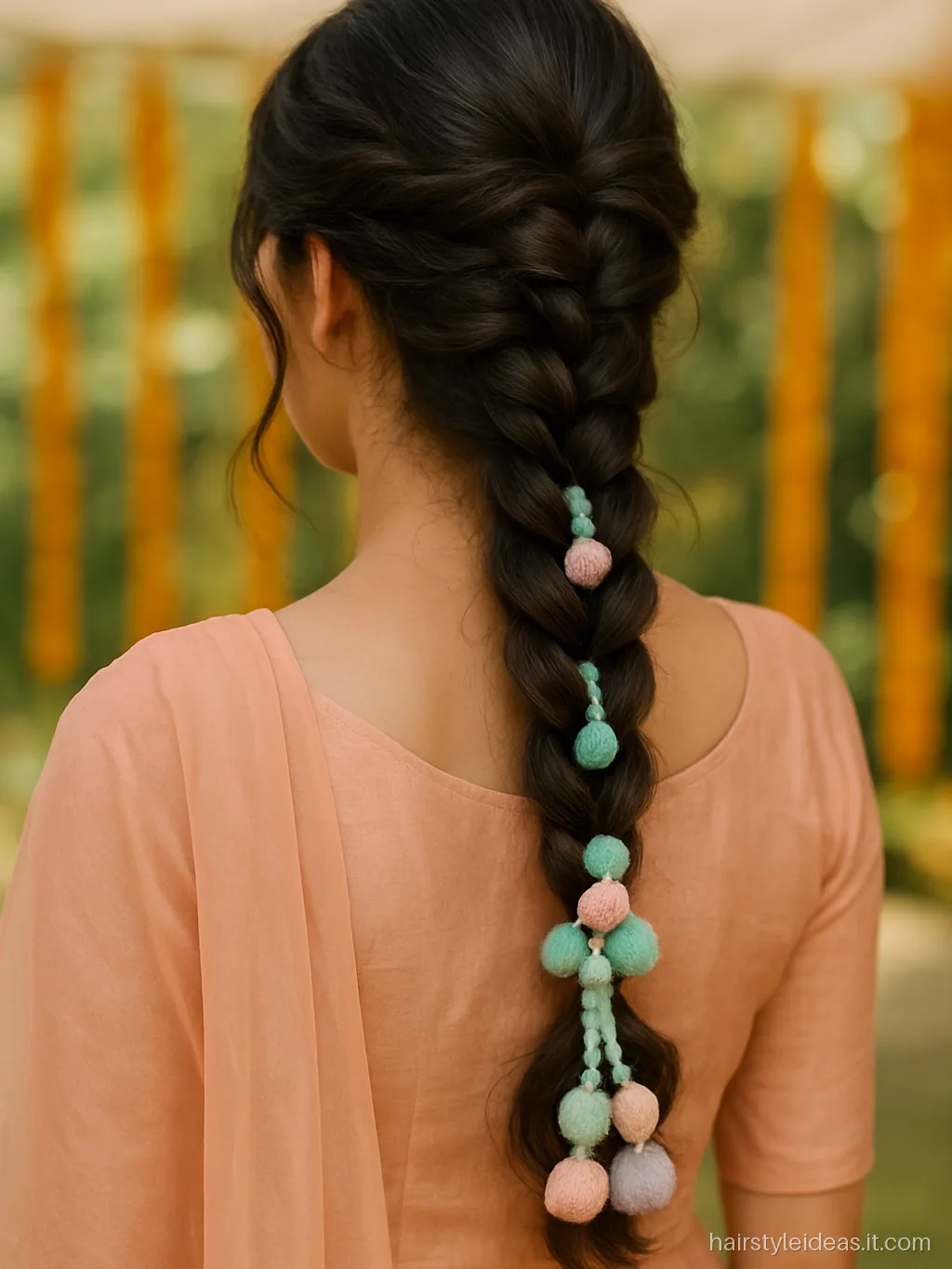
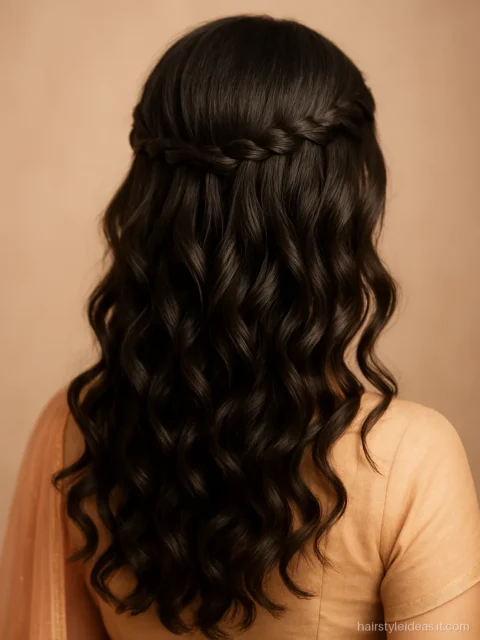
Pastel pom poms suit a daytime mehndi in light colours. Loose waves set before plaiting give a softer and bigger plait.
- SuitsMid back, wavy hair
- Time25 minutes
- NeedsParanda, curling tong
Mirror tipLet the curls cool fully before plaiting, or the weight of the paranda pulls the waves straight.

Starting the plait higher keeps it off an embroidered neckline and lets it swing when you dance. Silver tassels catch the stage lights.
- SuitsMid back, thick hair
- Time20 minutes
- NeedsParanda, 2 elastics, spray
Mirror tipTie a ponytail at the crown first, then plait with the paranda; the ponytail base holds the height.

In winter, a woollen paranda in bright colours matches shawls and looks right beside the Lohri bonfire. Worn over the shoulder, it stays on show.
- SuitsShoulder to mid back
- Time12 minutes
- NeedsWoollen paranda, elastic
Mirror tipBring the plait over one shoulder and lift the tassels outside the shawl so they hang free.
Pranda Hairstyle Types Compared
Paranda, parandi and pranda are the same thing spelt three ways. What changes is the thread and the tassels.
| Paranda type | Look | Best for | Weight on the hair |
|---|---|---|---|
| Black silk or cotton | Blends in and adds length | Daily wear, college, office | Light |
| Coloured silk with gold thread | Matches the suit, festive | Lohri, Baisakhi, mehndi | Medium |
| Gota or bridal | Heavy shine, large tassels | Bride and close family | Heavy |
| Pom pom or woollen | Bright and playful | Winter and daytime functions | Light to medium |
| Beads or mirror work | Catches light as you move | Sangeet and dance nights | Medium |
Heavy gota parandas pull on the nape. If your hair is fine, choose silk or cotton, or anchor the top with two extra bobby pins. A bride can add flowers too; our bridal braid hairstyle page shows how to lay a veni along a plait.
Making It Last, and Fixes for Short or Thin Hair
- Day two hair grips better. Freshly washed hair is silky and the cords slide out. If you must wash that morning, dust a little dry shampoo at the roots and lengths.
- Humid days: smooth an anti frizz cream on the plait before tying the end, then finish with a flexible hold spray kept roughly 30 cm off the hair.
- Short hair: this is what a paranda was made for. Plait from the nape; when your hair stops at the shoulder, the cords carry on, so the plait still reaches the waist. Use a clear elastic where your hair ends so it cannot unravel.
- Thin hair: pick a lighter paranda, pancake the plait, and avoid heavy gota that drags the base down.
- Comfort: undo the plait before bed and unwind the cords gently. Never sleep with a tight plait pulling at the hairline.
Pair a paranda with flowers using the ideas on our gajra hairstyle page, or split the hair into two plaits, each with a small paranda, from the two braids hairstyle collection.
Questions people ask
What is a paranda hair style?
It is a three strand plait with a paranda, a Punjabi thread with tassels, woven in from the nape. The thread makes the plait look longer and fuller and adds colour to a suit. It is worn every day in Punjab and with more shine at weddings and festivals.
Can I wear a parandi hairstyle with short hair?
Yes. Shoulder length hair is enough. Start the plait at the nape, keep plaiting with the cords after your hair ends, and secure your own hair with a small clear elastic so it does not slip out.
Which front hairstyle with paranda suits a round face?
A small puff at the crown or two twists swept back from the temples adds height and lengthens a round face. Keep the parting to one side and avoid pulling the front flat and tight.
Are pranda hairstyle and paranda hair style the same?
Yes. Pranda, parandi and paranda are spellings of the same tasselled thread. Parandi is often used for lighter, everyday ones and paranda for the fuller festive kind, but the method is identical.
How do I stop the paranda slipping out of my plait?
Tie it under a cloth elastic at the base, not just laid on top. Plait firmly for the first few crosses, and add two bobby pins crossed in an X at the nape if the paranda is heavy.
How do I clean a paranda?
Hand wash plain silk or cotton parandas in cold water with a mild shampoo and dry them flat in the shade. Gota, mirror and beaded ones should only be wiped with a damp cloth, and stored coiled in a box so the tassels do not tangle.